Homeowners know how intense the heat can get, and while most people think about air conditioners and roofing first, your garage door system is also affected by high temperatures. Your garage door works hard every day, and constant exposure to extreme heat can wear down important parts faster than expected.
Why Heat Matters for Garage Doors
Garage doors and their components are exposed to daily temperature changes. Those temperatures can climb quickly and stay high for long periods. Heat can affect both metal and moving parts, especially when your garage door opens and closes several times a day.
Over time, this can lead to:
- faster wear on springs
- dry or worn rollers
- increased strain on the opener
- cracking weather seals
- noisy or uneven door movement
If your garage feels much hotter than the rest of the house, your garage door system is dealing with that same environment every day.
How Heat Affects Garage Door Springs
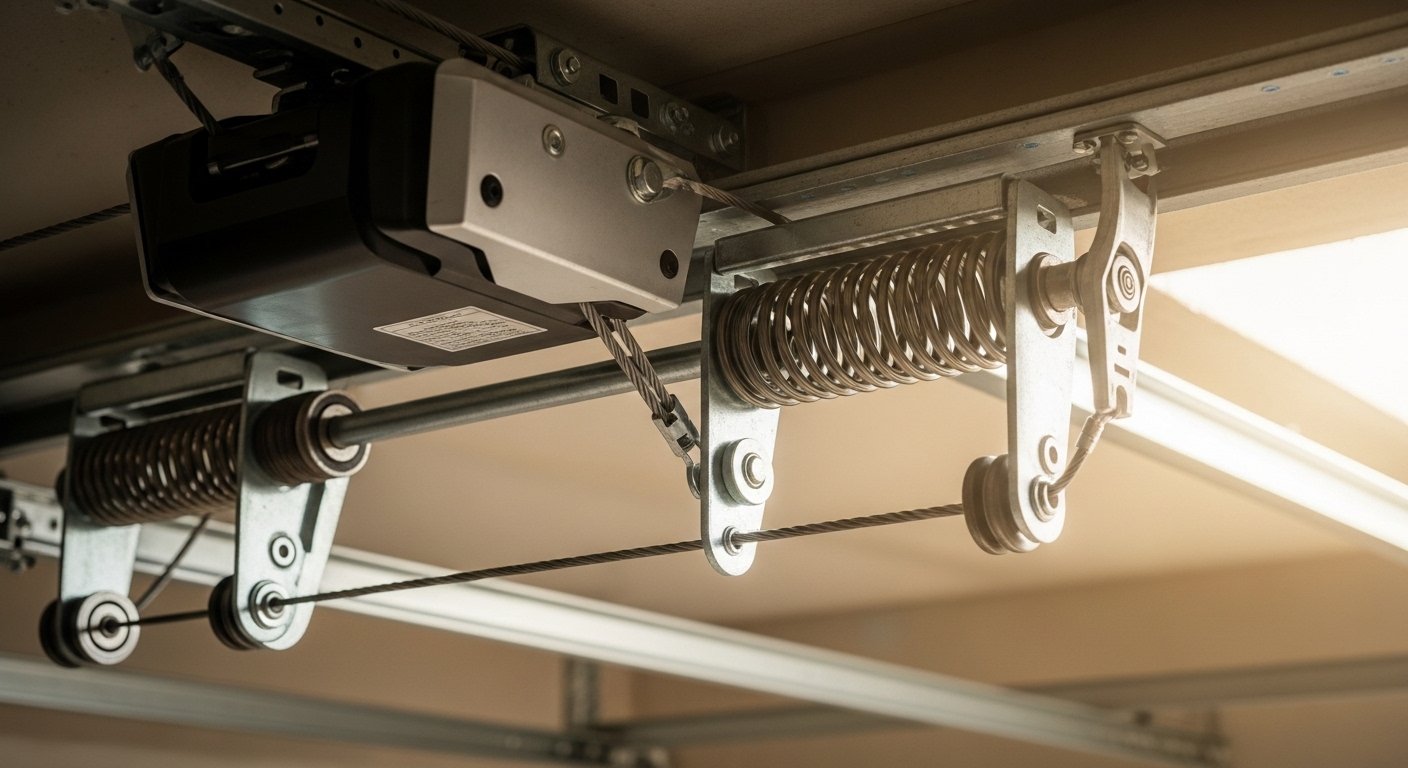
Garage door springs handle a lot of tension. They help lift and lower the heavy weight of the door smoothly. In hot climates, springs can wear down faster because of ongoing stress and temperature exposure.
Signs your springs may be struggling include:
- the garage door feels heavier than normal
- the door opens unevenly
- the door only opens a few inches
- you hear a loud snapping sound
- there is a visible gap in the spring
A broken spring can make your garage door unsafe to use. If you notice these warning signs, it is best to stop using the door until it can be inspected.
How Heat Affects Garage Door Rollers
Rollers help your garage door move along the tracks. When they are worn, dry, or damaged, the door may become noisy or shaky during operation. Heat can dry out moving parts more quickly, especially if routine maintenance is ignored.
Common signs of roller problems include:
- squeaking or grinding sounds
- jerky door movement
- rollers that look cracked or worn
- the door shaking while opening or closing
Roller issues may seem minor at first, but if ignored, they can lead to track problems and unnecessary strain on the opener.
How Heat Affects Garage Door Openers
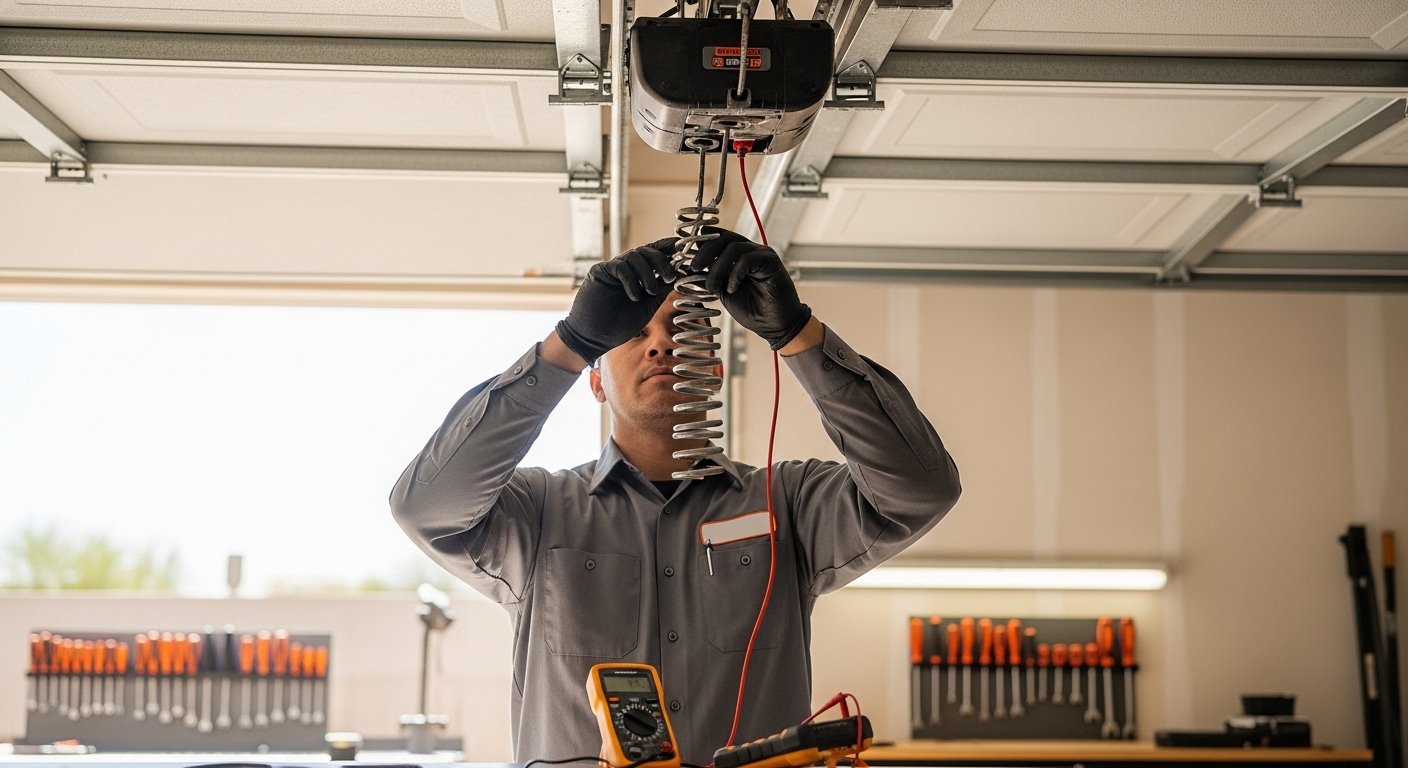
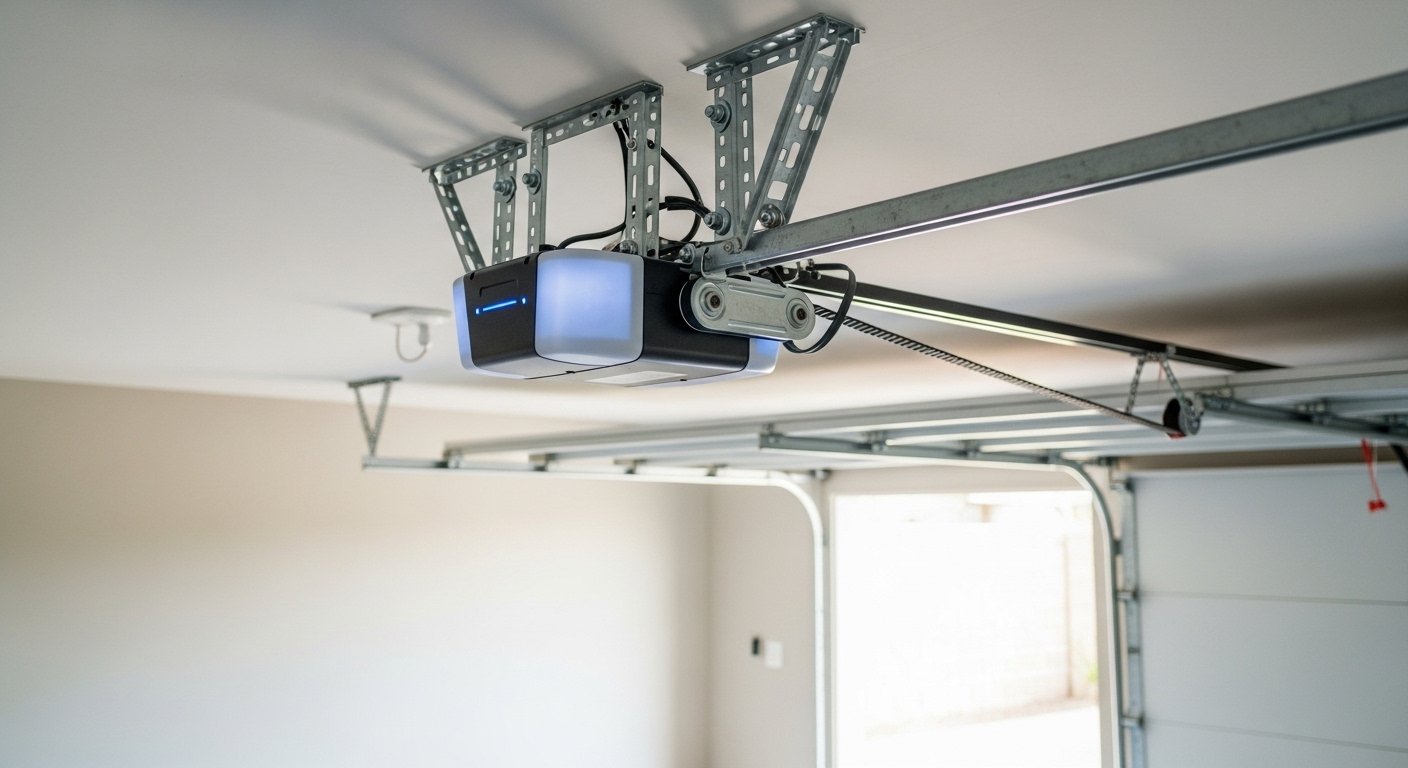
Your garage door opener is another system that can suffer in high heat. Warm conditions can add stress to the motor, electronics, and connected safety components. If your opener is already older or struggling, temperatures can make the problem more noticeable.
You may notice:
- slow response times
- inconsistent opening or closing
- the opener stops midway
- remote or wall switch delays
- sensor issues
If your opener is unreliable during the hottest months, it may need service, adjustment, or replacement.
Weather Seals and Other Parts Matter Too
Weather seals often get overlooked, but they play an important role in protecting your garage. In extreme heat, seals can dry out, crack, or pull away from the door. This can let in hot air, dust, and debris.
Other hardware such as hinges, cables, brackets, and tracks can also wear down over time, especially when heat and regular use are combined.
What Homeowners Can Do
A few simple steps can help protect your garage door system:
- pay attention to new sounds or changes in movement
- schedule routine garage door maintenance
- replace worn rollers before they damage the tracks
- have springs inspected if the door feels heavy or uneven
- check weather seals for cracking or wear
- avoid forcing the opener if the door is struggling
Regular inspections are especially helpful, where heat-related wear can show up faster than in milder climates.
Final Thoughts
Heat can have a real impact on your garage door springs, rollers, opener, and other key parts. What starts as a noisy door or slow opener can turn into a larger repair if left unchecked. Catching these issues early can help keep your garage door safe, reliable, and working properly through every season.
If your garage door is showing signs of wear, Rio Garage Doors can help with professional garage door repair, spring repair, opener service, and maintenance.